
You walk around your Holly Springs home in early spring and you can see the paint is showing its age. Chalky residue when you run your hand along the south-facing siding. Color fading visible on the west-facing wall where the afternoon sun hits hardest. Hairline cracks in the trim around the front door where moisture has been working under the finish for two summers.
The honest answer to how often should you paint your house in Holly Springs is somewhere between 5 and 10 years, but the range is wide because the answer depends on three specific factors. The siding material on your home, the quality of the last paint job, and how the Triangle climate has stressed the paint film since the last repaint.
This guide breaks down how often you should paint your house exterior in Holly Springs by siding material, the warning signs that tell you the next repaint is coming due, and how to extend the interval between repaints through proper maintenance.
Key Takeaways
- How often should you paint your house in Holly Springs depends on three factors: siding material, paint quality, and Triangle climate exposure.
- North Carolina humidity (70%+ summer) and intense Triangle sun shorten exterior paint life compared to drier or cooler regions.
- Wood siding typically needs repainting every 5 to 7 years in Holly Springs; fiber cement holds 8 to 12 years.
- Visible signs like chalking, fading, and hairline cracks mean it is time to repaint before structural damage starts.
- Quality prep work and premium paint products can extend the interval between repaints by 2 to 3 years.
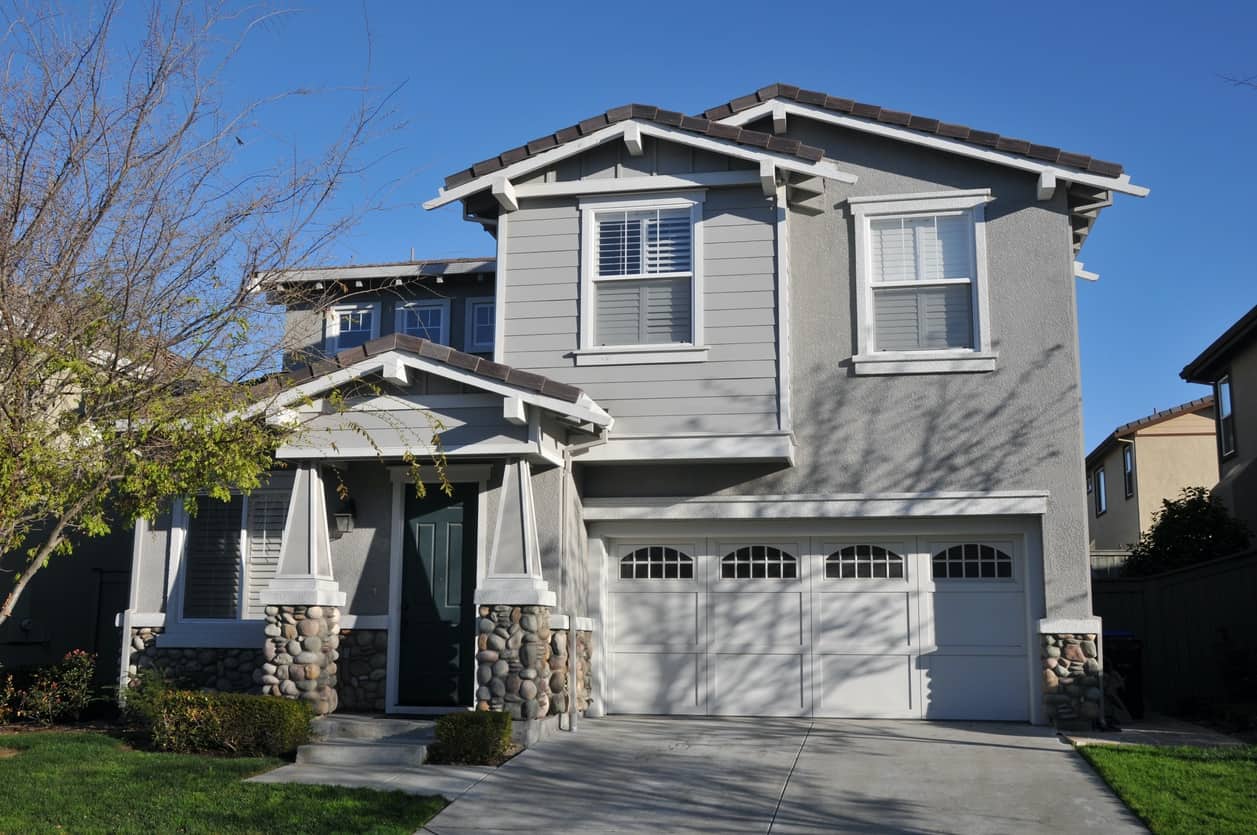
How Often Should You Paint Your House in Holly Springs
The straight answer for most Holly Springs homes is somewhere in the 5 to 10 year range, with the specific number driven by three factors that matter more than calendar age.
The 5 to 10 Year Range
Most exterior paint jobs in Holly Springs hold 5 to 10 years before showing the signs that indicate it is time to repaint. The lower end is typical for wood siding with builder-grade paint applied without proper prep; the upper end is typical for fiber cement with premium product and quality professional application.
Inside that range, the exact timing depends on what kind of siding you have, how the original paint job was done, and how aggressively you maintain it through inspection and touch-ups.
What Drives the Variation
The variation between 5 and 10 years is not random. Siding material accounts for most of the difference, with wood requiring repaints every 5 to 7 years and fiber cement holding 8 to 12.
Paint quality and application method drive the rest. Premium 100% acrylic latex with UV-blocking pigments and proper surface prep outperforms builder-grade product by 2 to 3 years on the same substrate.
The Triangle Climate Factor
According to NOAA Triangle climate data, Holly Springs averages roughly 43 inches of annual rainfall, summer humidity that regularly exceeds 70%, and summer highs that frequently surpass 90°F. That combination shortens exterior paint life by 1 to 2 years compared to drier climates with similar temperature ranges.
Repaint Frequency by Siding Material
Siding material is the single biggest factor in how often you need to paint your house exterior in Holly Springs.
Wood Siding
Wood siding in Holly Springs typically needs repainting every 5 to 7 years. Wood is the most demanding substrate because it absorbs moisture during humid Triangle summers, swells and contracts with humidity changes, and provides limited dimensional stability for the paint film to bond to.
Cedar and redwood may need touch-up work between full repaints to address tannin bleed that surfaces through the topcoat.
Fiber Cement Siding
Fiber cement siding (HardiePlank and similar) is increasingly common on newer Holly Springs homes and typically holds a quality paint job for 8 to 12 years. The material’s dimensional stability means paint experiences far less expansion-contraction stress than on wood.
Factory-finished fiber cement comes with manufacturer paint warranties that extend 15+ years, but field-applied repaints on the same material run shorter.
Stucco, Aluminum, and Brick
Stucco in Holly Springs typically needs repainting every 5 to 7 years, similar to wood but for different reasons (porosity and moisture absorption). Aluminum siding paint lasts about 5 years before oxidation becomes visible.
Painted brick is the longest-lasting at 15 to 20 years per repaint, though once you paint brick you commit to ongoing repaints because stripping is impractical.
Factors That Affect Paint Longevity
Three factors beyond siding material drive how often you actually need to repaint your house in Holly Springs.
Humidity and Sun Exposure
North Carolina summer humidity routinely exceeds 70% from May through September. High humidity weakens paint adhesion when it gets behind the film, especially on north-facing walls that stay damp longer after rain.
Triangle UV index regularly reaches 8 to 10 during summer, which breaks down paint pigments and binder chemistry faster than at lower latitudes. South and west-facing walls typically need repainting 1 to 2 years before north and east elevations on the same home.
Paint Quality Tier
Premium 100% acrylic latex with UV-blocking pigments costs $50 to $80 per gallon versus $25 to $40 for builder-grade product. The lifespan difference at Holly Springs exposure is typically 2 to 3 years.
For temperature and application context that affects paint longevity, see our guide on exterior paint temperature requirements guide.
Application Quality
Proper surface preparation, two-coat application, and weather-appropriate timing affect lifespan as much as the paint product itself. A premium paint applied over poor prep work fails as fast as a budget paint over solid prep.
Skipping the prep step is the most common reason Holly Springs paint jobs fail in year 3 instead of year 7.
Warning Signs Your House Needs Repainting
Three visible warning signs typically appear in this order on a Holly Springs home that is approaching the next repaint cycle.
Visible Paint Failure
Look for peeling, cracking, or bubbling paint, especially around south and west-facing trim, window casings, and door frames. Hairline cracks at expansion joints and along bottom edges of wood trim are early warning signs that moisture is working under the paint film.
Addressing these areas with proper prep and touch-up paint can extend the lifespan of the surrounding paint by 1 to 2 years.
The Chalking Test
Run your hand along your siding on a dry day. If a white or colored powdery residue comes off on your palm, your paint is chalking.
Chalking happens when the binder in the paint breaks down under UV exposure and leaves the pigment loose on the surface. Some chalking is normal at year 5 to 7; heavy chalking means the protective function of the paint has largely failed.
Color Fading
Compare a section of siding that has been protected from sun (under a porch overhang or behind a shutter) to a section that gets direct exposure. If the difference is dramatic, the UV-blocking pigments in the paint have broken down and the protective film is compromised.
Faded paint offers significantly less protection against the elements than the original installation, even if the surface still looks intact from a distance.
The Cost of Waiting Too Long
When paint failure progresses beyond cosmetic into structural territory, the cost of the next project multiplies quickly.
From Cosmetic to Structural
Once paint stops protecting the substrate, water gets into wood siding, fascia boards, and trim. Year 11 on a wood siding home that should have been repainted at year 7 can mean replacing fascia boards instead of just repainting them, which is 5 to 10 times the cost.
The transition from “needs paint” to “needs structural repair plus paint” is the most expensive deferred maintenance category on a Holly Springs home.
The Fascia Replacement Trap
Wood fascia boards left unpainted past their service window typically warp, swell, and rot at the bottom edges where moisture collects. Once warping happens, replacement is the only option; paint cannot reverse the damage.
Fascia replacement runs $15 to $30 per linear foot installed, versus $1 to $3 per linear foot for repainting.
Compounding Damage
Failed exterior paint often allows moisture intrusion that affects the interior walls, insulation, and structural components. The cost gap between proactive repainting and reactive damage repair is often 10x or more.
The right time to repaint is BEFORE failure becomes obvious from the street.
Extending Time Between Paint Jobs
Quality prep and product matter, but the daily and annual maintenance habits also affect how often you actually need to repaint your house.
Annual Maintenance
Annual pressure washing in early spring removes Triangle pollen, mildew, and accumulated grime that accelerate paint deterioration. This single annual task extends the average Holly Springs paint lifespan by 1 to 2 years on most siding materials.
Keep gutters clear so water drains away from siding instead of overflowing down painted surfaces during summer storm season.
Selective Touch-Ups
Touch up small failure spots at year 3 to 5 rather than waiting for them to spread. Focus on south and west-facing trim and any horizontal surfaces (windowsills, fascia, ledges) where water sits longest.
The 30 minutes of touch-up work at year 4 prevents the full repaint becoming necessary at year 6.
Sheen and Finish Selection
The right sheen for your siding type affects long-term wear and cleanability. For the detailed comparison of finish options, see our guides on satin paint vs matte paint comparison and on eggshell vs semi-gloss paint guide.
For year-round maintenance practices that extend paint life, see our guide on smart paint maintenance tips.
When to Call Professional Painters
The DIY versus professional decision for a full exterior repaint comes down to four practical factors.
When DIY Makes Sense
DIY exterior painting is reasonable on single-story Holly Springs homes with manageable siding (under 1,500 square feet of paintable surface), shutters and trim in good condition, and experienced painters with proper ladder access equipment.
A typical DIY exterior project on a single-story Holly Springs home takes 40 to 80 hours of skilled labor across multiple weekends.
When to Call a Pro
Professional painting makes more sense on multi-story homes with second-story siding access required, projects exceeding 2,000 square feet, homes with significant prep work (extensive scraping, sanding, or substrate repair), or scenarios where your time is worth more than the cost savings.
For broader context on what a professional Holly Springs exterior project costs, see our guide on what affects exterior painting cost most.
Choosing the Right Painter
Look for contractors familiar with North Carolina climate conditions, who use premium 100% acrylic latex products, and who provide written scope of work covering prep, application, and warranty terms.
Ask for local Triangle references from projects completed 3 to 5 years ago so you can see how the work has aged in actual Holly Springs conditions.
Planning Your Paint Schedule
Most Holly Springs homes need an exterior repaint every 5 to 10 years, but a planned approach beats waiting for visible failure every time.
Annual Inspection
Walk the perimeter of your Holly Springs home in early spring each year. Look for paint chipping at trim edges, fading on south-facing sections, hairline cracks along the bottom edges of fascia, and any signs of mildew growth in shaded areas.
Catching small failures at year 3 or 4 and addressing them with touch-ups can extend overall paint life to year 8 or 10.
Setting Your Calendar
Based on your siding type, set the calendar for the next likely repaint. Wood siding homes should plan for year 6 to 7 from the last repaint. Fiber cement homes can plan for year 9 to 10.
Start budgeting and getting quotes 12 months before your planned repaint date so you have time to find the right contractor and lock in scheduling for the right weather window.
When to Start Planning the Next Repaint
The right time to start planning is at the first sign of chalking, fading, or minor failure, not when the paint is visibly failing from the street. Early planning gives you flexibility on contractor selection and timing.
Your home’s exterior paint is the first line of defense against North Carolina humidity, intense Triangle sun, and the moisture intrusion that follows when the paint film fails. Whether you want an honest assessment of how far the paint deterioration has progressed on your home, advice on the right product for Holly Springs conditions, or a full professional repaint that holds for 7 to 10 years, our team at Alvarez Painting will walk you through exactly what your home needs.
Call 919-444-8997 for a FREE estimate today.