
Your fence stain looked great the day it went on. A year or two later, it is peeling, fading to a gray wash, or showing blotchy patches you cannot explain. For homeowners in Apex, NC, this plays out all the time, and the Triangle’s heat, humidity, and storm season are a big part of why.
If your cedar fence stain is not holding up the way you expected, the problem almost always traces back to one of a handful of specific, avoidable mistakes. Here is what is actually behind those failures, and what a proper job looks like.
Key Takeaways
- Apex’s warm, humid climate and high UV exposure put cedar fence stain under stress year-round.
- Staining new cedar too soon traps moisture inside the wood and causes peeling.
- Skipping surface prep prevents stain from bonding to the wood properly.
- Applying stain in the wrong temperature or humidity ruins adhesion before it starts.
- The wrong stain formula for North Carolina’s humid climate wears out faster than it should.
- Over-applying stain creates sticky, blotchy surfaces that attract dirt and fail early.
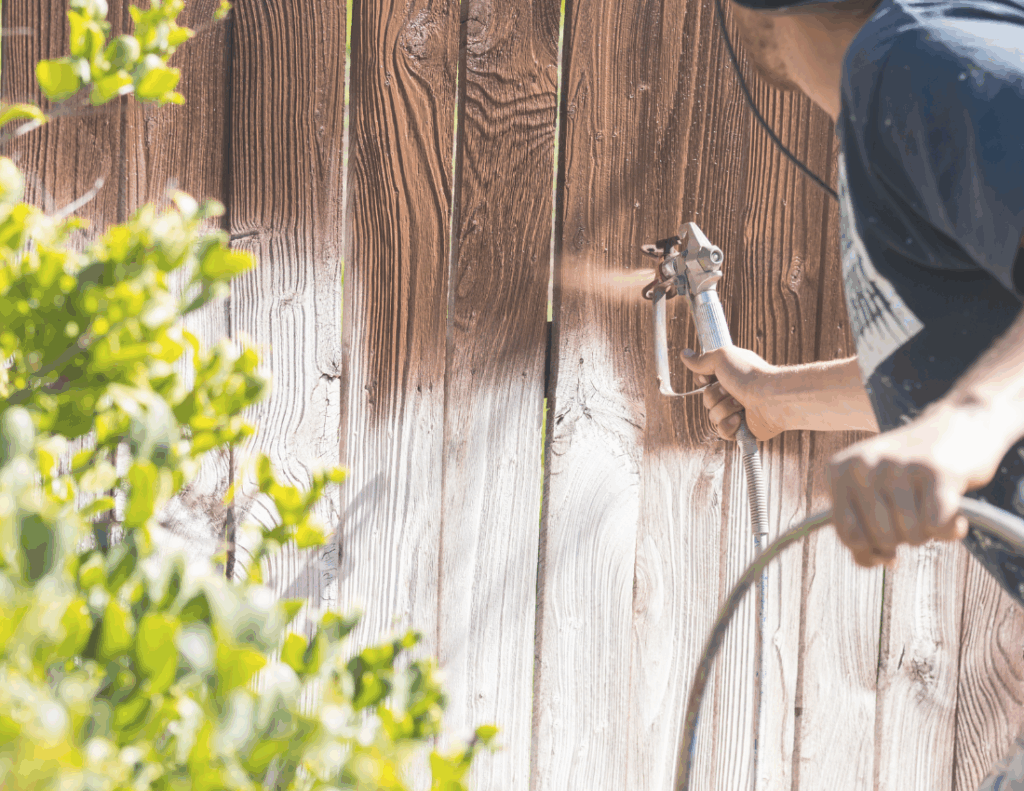
Why Apex’s Climate Puts Cedar Fence Stain to the Test
Cedar is naturally rot-resistant and holds up better than most wood species outdoors. But that natural resistance only goes so far against what Apex throws at a fence year-round.
A protective stain matters deeply here, the same way our deck staining services protect deck boards. Apex’s warm climate, high humidity, and seasonal swings deteriorate exposed wood fast. Without stain, fences absorb moisture and warp, crack, and eventually rot, while summer sun dries the wood out, fades it, and weakens it over time.
The rainfall totals add to it. Raleigh averages roughly 217 sunny days and 46 inches of rain a year, and the UV index reaches about 6.7, considered high, in June and July. That mix of intense UV and frequent wet-dry cycles is hard on any wood finish.
UV breaks down pigments and binders, causing color loss and surface wear, while moisture cycles from rain, dew, and sprinklers swell and shrink the wood, wearing away stain and opening paths for water. That is the baseline, but the climate is not the only thing working against your cedar fence stain. The way the job gets done matters just as much.
Mistake #1: Staining New Cedar Too Soon
This one surprises a lot of homeowners. Fresh cedar looks ready and feels dry, but lumber arrives from the mill with significant moisture still locked in the fibers, and staining before that moisture escapes sets the job up to fail early.
As a general guideline, waiting 5 to 7 weeks after installation gives the wood time to dry, so the stain can penetrate deeply and adhere. Even naturally weather-resistant species like cedar need that settling period before they are ready to take stain.
There is a simple field test before you commit to a staining day. Sprinkle water on the surface: if it beads up, the wood is still too wet, and when it soaks in, the wood is ready to accept the product.
Mistake #2: Skipping Surface Prep
Good timing means nothing if the surface is not properly prepared. Prep gets skipped because it is time-consuming and unglamorous, but it is where most staining jobs are actually won or lost.
Wood gathers debris, mold, old stain residue, mill glaze on fresh lumber, and oxidized cellulose, all of which stop stain from bonding. Skipping cleaning or sanding, or staining before the wood is dry, causes poor adhesion, and any leftover mildew, dirt, or old finish leads to uneven color and flaking.
On older cedar fences with peeling stain, that failed coat needs to come off entirely before anything new goes on. If the old stain is a film-former that is peeling or flaking, or is incompatible with the new product, use a stain stripper first.
After cleaning, a wood brightener (oxalic acid) opens the grain evenly, restores color, removes tannin and iron stains, and neutralizes the high pH left by strippers. That even surface is what produces uniform absorption and a consistent finish. If you have had cedar fence stain fail before and were not sure why, rushing this step is the most likely culprit.
Mistake #3: Staining in the Wrong Conditions
Even with the right timing and a clean surface, the conditions on application day can make or break the job. Applying cedar fence stain in direct afternoon sun, high humidity, or with rain in the forecast within 24 to 48 hours sets it up to fail before it cures.
In open sun, stain dries too fast and will not penetrate, leaving a weak surface film, and temperatures over 90°F or under 50°F disrupt how it cures. In humid air, boards swell, pores stay damp, and surface moisture blocks even penetration, while water trapped beneath the stain causes blotching, peeling, and mildew.
Ideal conditions are 50°F to 85°F with low humidity and no rain for at least 24 hours. The best window in Apex is usually an overcast morning in early fall or late spring, with mild temperatures, no direct sun, and dry air for 2 days ahead, since cooler, stable fall weather helps the stain absorb and dry. The same logic drives deck timing, and our post on the best way to stain a deck covers it in detail.
Mistake #4: Using the Wrong Stain for NC’s Humid Climate
Walk into any big-box store and you will find stains marketed as weather-resistant, but that does not mean they are built for the Triangle. The right stain for the humid Southeast differs a lot from what works in the arid Southwest or the temperature extremes of the Northern plains.
Your region drives stain durability. High humidity speeds the mold and mildew that wear the finish, and intense sun fades it, so a stain with built-in mildewcides and UV absorbers keeps surfaces cleaner and colors truer.
For cedar, a penetrating stain that soaks into the fibers handles Apex’s wet-dry cycles better than a film-forming product, and a breathable, penetrating formula manages moisture and lasts longer on rain-exposed fences. Transparent and semi-transparent stains penetrate well and show the grain, which suits humid climates.
Color choice matters too, and our guide on choosing the right deck and fence color helps you pick a shade that holds up.
It also helps to weigh oil-based against water-based. Oil-based stains penetrate deeper and resist water better, ideal for Apex’s rain, but dry slower and are harder to clean up. Water-based stains dry faster, have fewer fumes, give better UV protection, and form a surface barrier that resists mildew, a common NC summer problem.
If you are still deciding between products, our post on whether to paint or stain your fence goes deeper.
Mistake #5: Applying Too Much at Once
More stain does not mean more protection. Over-application is one of the most consistent DIY fence-staining mistakes, and it creates a surface that looks worse and fails faster than a properly applied thin coat.
Too much product cannot penetrate, so it forms a tacky film that attracts dirt, traps moisture, and eventually cracks. Applying stain too thickly also dries unevenly and leaves a blotchy look, and over-application is the number one cause of sticky, slow-to-cure surfaces in humid conditions.
The right approach is thin, even coats worked into the grain with a brush, not one heavy coat sprayed on and left. Spray or roll to place the material, then back-brush into the grain to drive penetration and even out the film. Wipe away puddles, drips, and shiny spots before they skin over.
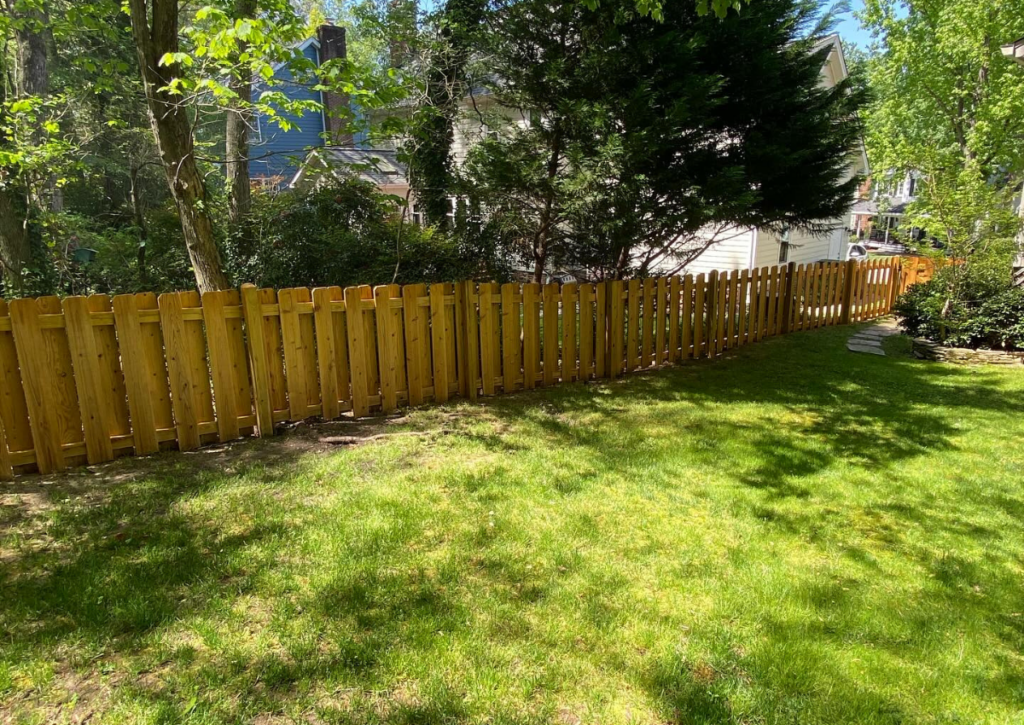
When Fading and Peeling Are Warning Signs, Not Just Cosmetic
It is easy to look at a graying fence and call it cosmetic. Sometimes it is, but other times surface deterioration points to something more serious happening in the wood itself.
When UV breaks down lignin, the natural compound holding wood fibers together, a silver-gray layer forms on the surface. Once that cedar color fades, the grain opens and water gets in more easily. Grayed cedar above ground often signals rotting posts below, since the same moisture graying the boards is destroying posts where you cannot see.
When you inspect, watch for more than color. Soft or spongy spots underfoot or under hand pressure signal rot that has set in deep, and dark or green patches mean moisture has already done serious damage.
NAHB’s routine home maintenance guidance recommends inspecting exterior wood at least once a year. For cedar fences in Apex, fall is a good time to walk the line, check for soft spots, and see whether the stain still repels water or is absorbing it. Catching issues early keeps a staining job from becoming a full fence replacement, and our post on exterior paint temperature requirements covers how NC’s climate affects exterior wood finishes.
How a Professional Approaches Fence Staining in Apex
The difference between a stain job that lasts 2 years and one that lasts 5 or more usually comes down to what happens before the first coat. Product matters, but prep, timing, and application technique are what determine how long the cedar fence stain actually holds up.
Alvarez Painting is a family-owned residential painting company serving Apex, Cary, Raleigh, Holly Springs, and Fuquay-Varina. Owner Carlos Alvarez and his team approach fence staining the way they approach every exterior project, with attention to the weather, the surface condition, and the demands of the Triangle’s climate. That means checking moisture levels before staining, cleaning the surface properly, and choosing a stain formulated for high humidity.
Every fence staining job is backed by a 6-month workmanship warranty, and if something does not look right after the work is done, Alvarez Painting makes it right. For anyone burned by stain that did not last, working with a pro who understands local conditions makes a real difference. Our DIY versus professional cost analysis is worth a look if you are weighing whether to handle it yourself or bring in a crew.
Ready to Protect Your Apex Cedar Fence the Right Way?
If your cedar fence needs staining, or a previous job did not hold up the way it should, Alvarez Painting can get it protected the right way before the next stretch of heat and humidity sets in. We serve Apex, Cary, Raleigh, Holly Springs, Fuquay-Varina, and the surrounding Wake County communities.
Call 919-444-8997 for a FREE estimate today.